
International arts and humanities conferences serve as a vital crossroads where culture, history, philosophy, and creative expression meet academic rigor. These events provide a unique space for scholars, artists, and practitioners to transcend geographical boundaries and explore the complexities of the human experience through a global lens.
If you are a researcher in the liberal arts, you may wonder how these gatherings differ from traditional scientific symposiums and why they are essential for your academic journey. This article addresses the most common questions regarding the impact of international conferences in the arts and humanities.
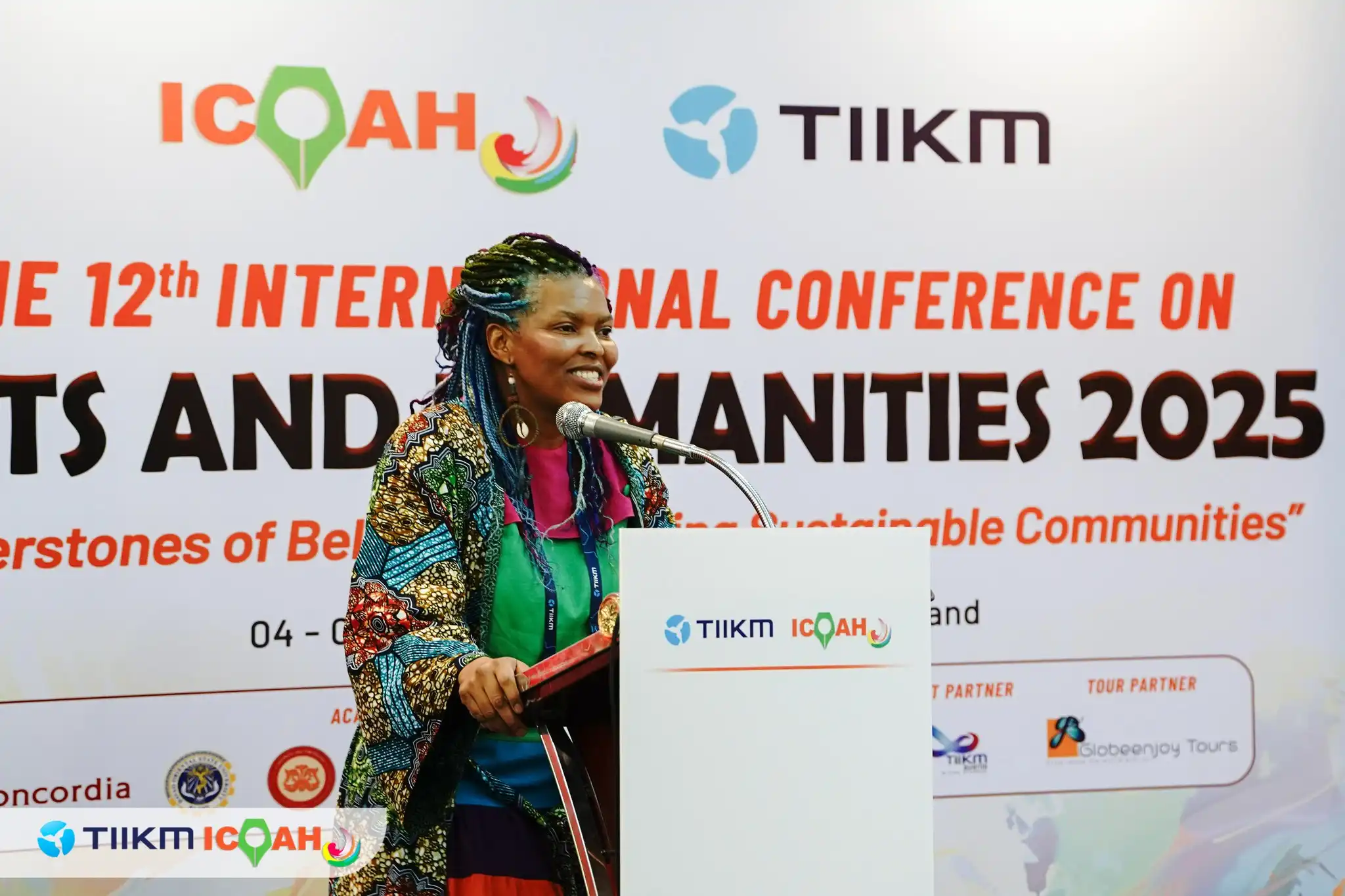
An arts and humanities conference is a multidisciplinary forum where researchers present work that analyzes human culture, society, and creativity. Unlike data-driven clinical trials, these conferences often focus on interpretation, critical theory, historical context, and artistic practice. They feature a blend of scholarly paper presentations, live performances, art exhibitions, and “roundtable” debates that challenge existing perspectives on everything from ancient literature to modern digital media.
In these fields, knowledge is often built through dialogue and diverse viewpoints. These conferences are essential because they prevent “academic isolation,” allowing researchers to see how their specific area of study—whether it be 18th-century poetry or contemporary indigenous film—resonates in different cultural contexts.
They provide a platform to discuss how the humanities can address modern global crises, such as the ethical implications of AI, the preservation of vanishing languages, or the role of art in social justice. Attending helps you stay informed about new theoretical frameworks and emerging creative methodologies.
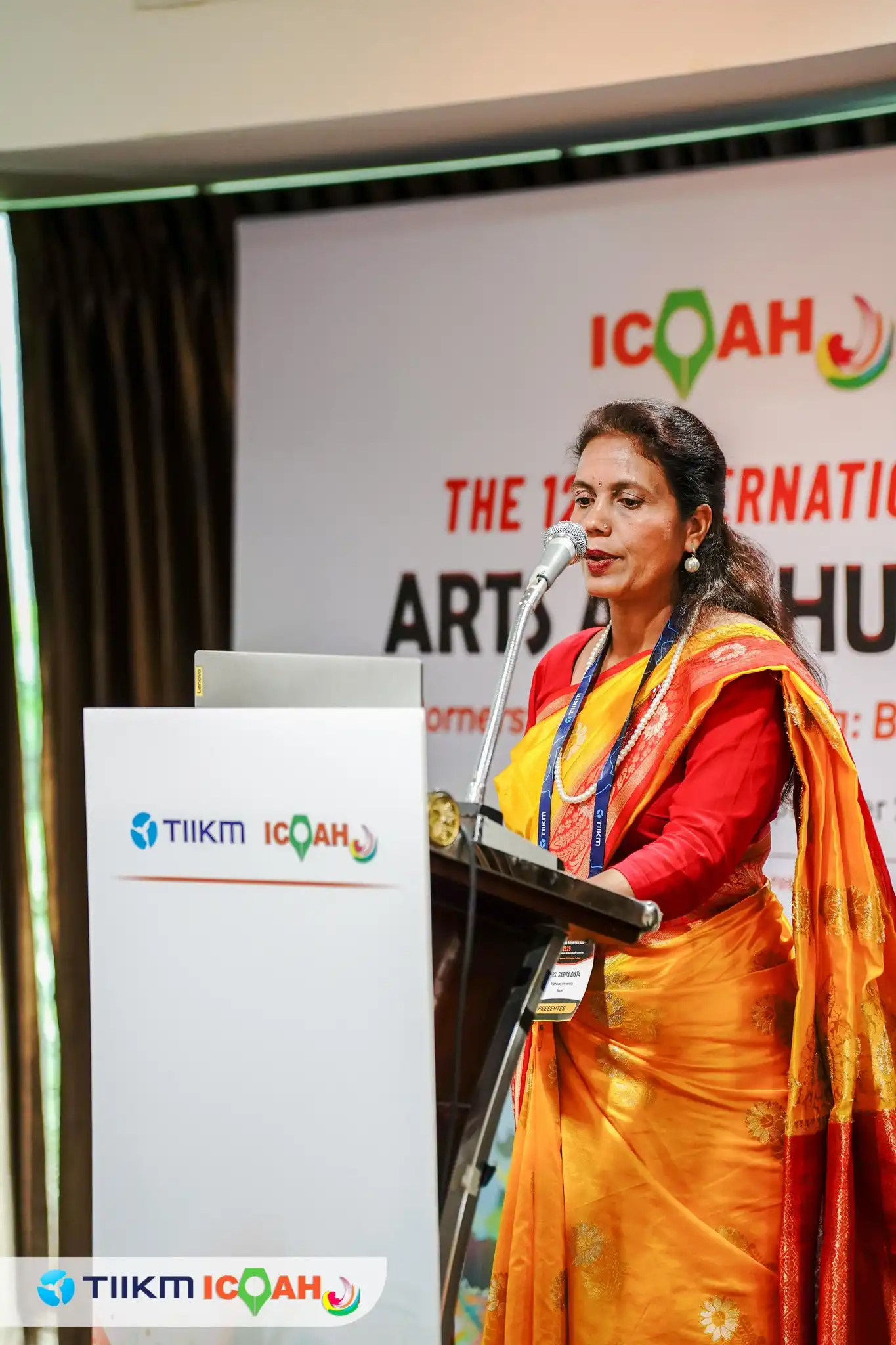
The beauty of these events lies in their inclusivity. Participants typically include:
This mix of “thinkers” and “doers” creates a rich environment where a theoretical paper might inspire a new piece of performance art.
In the humanities, an abstract is a concise summary of your argument, thesis, or creative project. It outlines the “problem” or “text” you are analyzing, the theoretical lens you are using, and the unique contribution your work makes to the field. Because these fields are subjective, the abstract is your chance to demonstrate the original “voice” and critical depth of your research to the reviewing committee.
Once accepted, you are invited to share your work with the global delegation. In the arts and humanities, this often takes diverse forms:
These formats allow for deep intellectual exchange and the opportunity to defend your interpretations before a panel of peers.
Presenting your work offers several distinct advantages:
For young scholars, these conferences are an initiation into the “Republic of Letters.” They provide a chance to meet the authors of the books you are citing, find mentors who share your niche interests, and gain the confidence needed to transition from a student to a recognized contributor to human knowledge.
If you are a researcher or artist dedicated to exploring the depths of human culture and creativity, participating in an international forum is a transformative milestone. It is where your ideas move from the private desk to the public square.
You are invited to share your unique perspective and join leading scholars at the upcoming 13th International Conference on Arts and Humanities (ICOAH 2026). Taking place on the 10 – 11 September 2026 in the culturally vibrant city of Bali, Indonesia, this conference offers a prestigious platform to engage with the theme of “The AI Mirror: Reflecting Humanity, Reimagining the Future” in one of Asia’s most iconic artistic hubs.
You can find the sub-themes under each main track and submit your abstract to the 13th International Conference on Arts and Humanities 2026 and get your abstract reviewed and upon acceptance send for technical presentations and present your research findings to a Global Audience.
Share this post: